Sichuan Guandie Construction Co., Ltd.
INTEGRITY | CRAFT EXCELLENCE | BEYOND SELF
NATIONAL SERVICE HOTLINE
+86 13688238666
A long, deeply-buried drill-and-blast tunnel (max. overburden 260 m) traversing fault zones, coal-mine gas, karst and goaf hazardous geology.
Key parameters and scope of the project
| 项目要素 / Key Fact | 内容 / Detail |
|---|---|
| Project Type | Rail Transit · Mined Tunnel + Cut-and-Cover Sections |
| Contract Value | ¥401 million |
| Mined Section | L-line ZDK15+468.000–ZDK19+839.125 (4,371.125 m) / R-line YDK15+430.000–YDK19+824.303 (4,394.303 m) |
| Cut-and-Cover Sections | Minor: 211 m (R) / 237.7 m (L); Major: 137.585 m (R) / 171.184 m (L) |
| Max. Overburden | 260 m |
| Rock Mass Rating | Class III 2012 m · IV 1430 m · V 974 m |
| Main Strata | Limestone, shale, mudstone and sandstone with extremely abundant groundwater |
| Adverse Geology | Fault fracture zones, coal-seam gas, karst, goafs, water-rich zones (often overlapping) |
| Construction Method | Drill-and-blast (controlled blasting + non-blasting) and cut-and-cover top-down |
| Client | Sinohydro Bureau 7 |
Section overview · Site conditions · Key difficulties and countermeasures
The lot comprises two cut-and-cover sections.
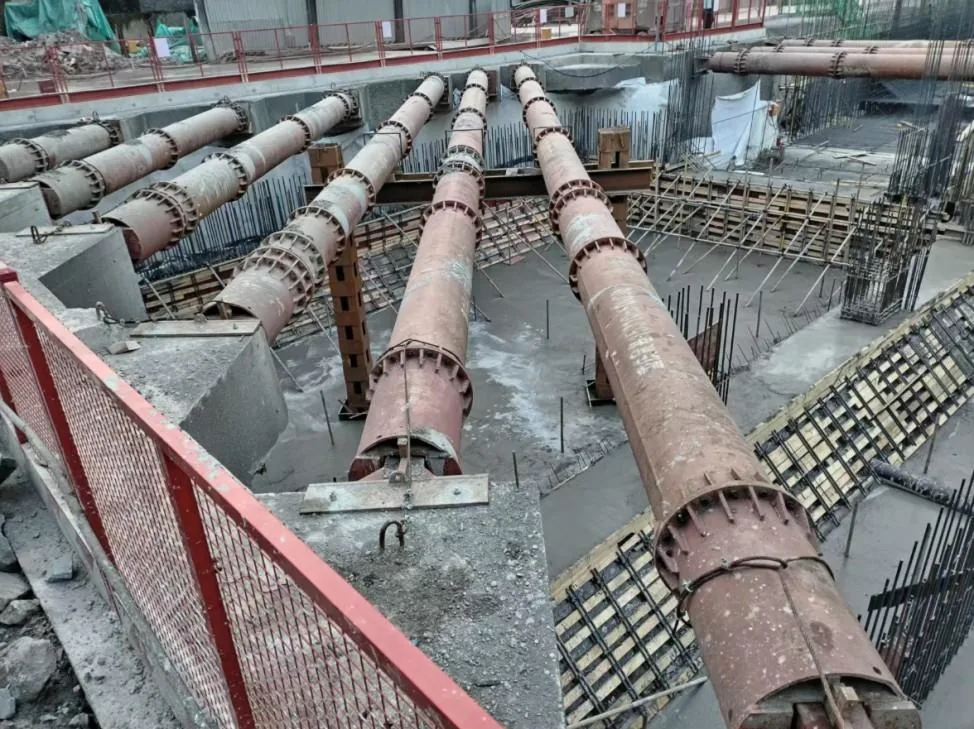
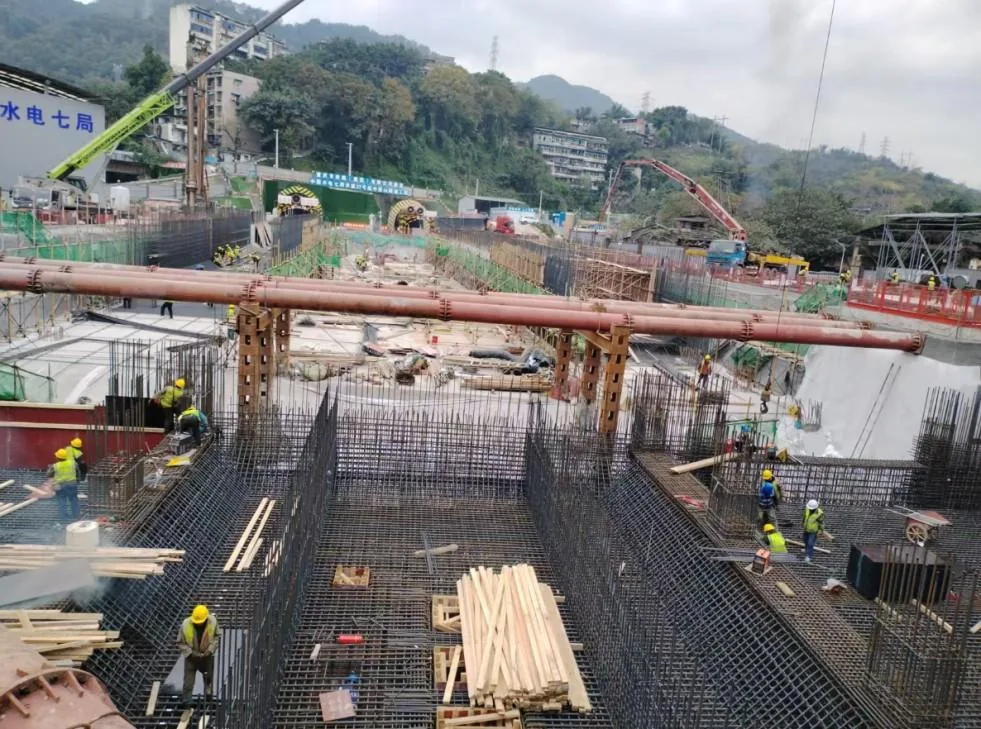
Minor-mileage section: beside vacant land off G319 National Highway, on expropriated wasteland. R-line 211 m, L-line 237.7 m, line spacing about 30 m, standard section width 7.9 m; the roof slab is buried 2.5–4 m below ground and the structure is a one-storey, single-span rectangular box built by the cut-and-cover top-down method.
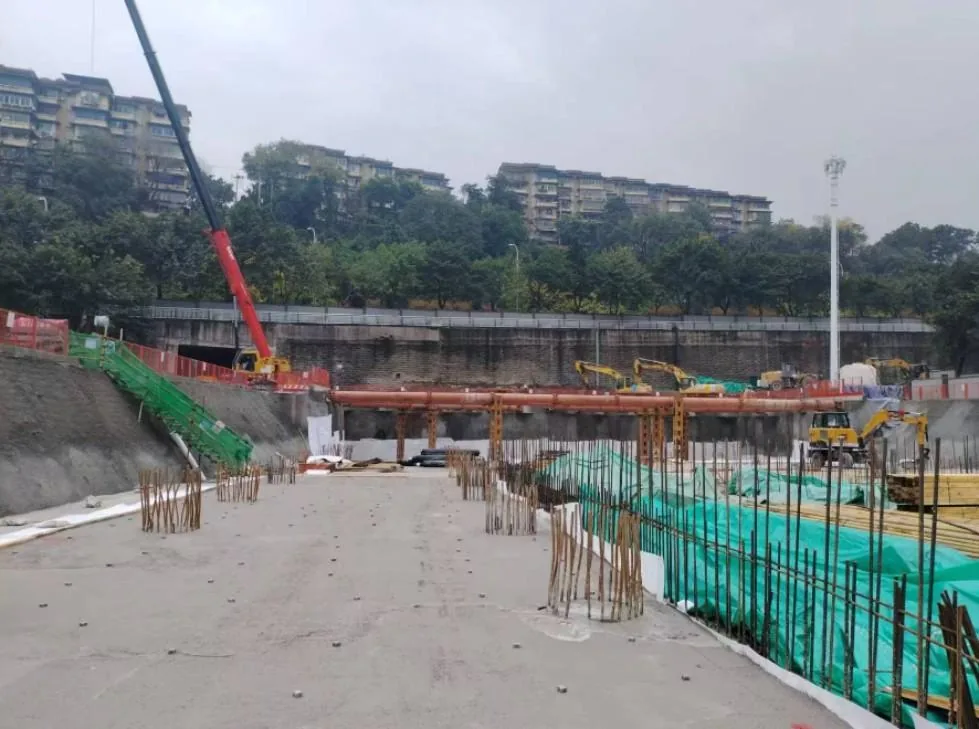
Major-mileage section: inside vacant land beside G212 National Highway, in a low-lying relocation area. R-line 137.585 m, L-line 171.184 m. Support combines bored piles with internal bracing at the major end, secant piles with internal bracing at the minor end, and sloping with soil nails in the middle.
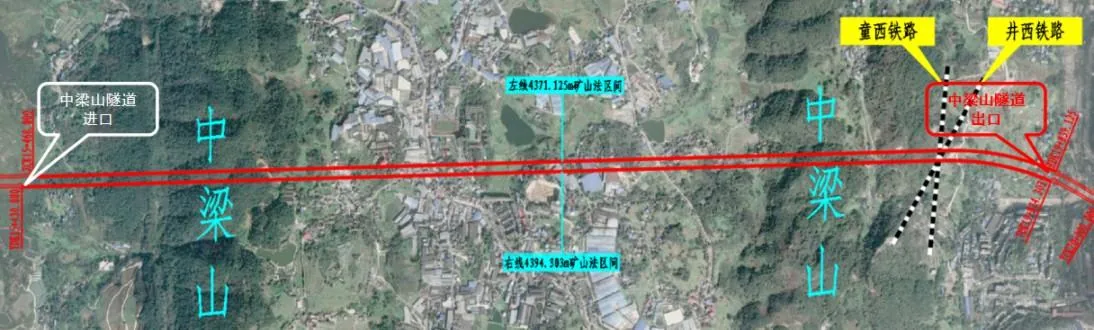
The Zhongliangshan tunnel is mined mainly by controlled blasting combined with non-blasting methods. The L-line runs ZDK15+468.000–ZDK19+839.125 (4,371.125 m) and the R-line YDK15+430.000–YDK19+824.303 (4,394.303 m), with a maximum overburden of 260 m. The alignment crosses fault fracture zones, coal-seam gas, karst, goafs and water-rich zones, and many sections are overlapped by several adverse geologies at once.
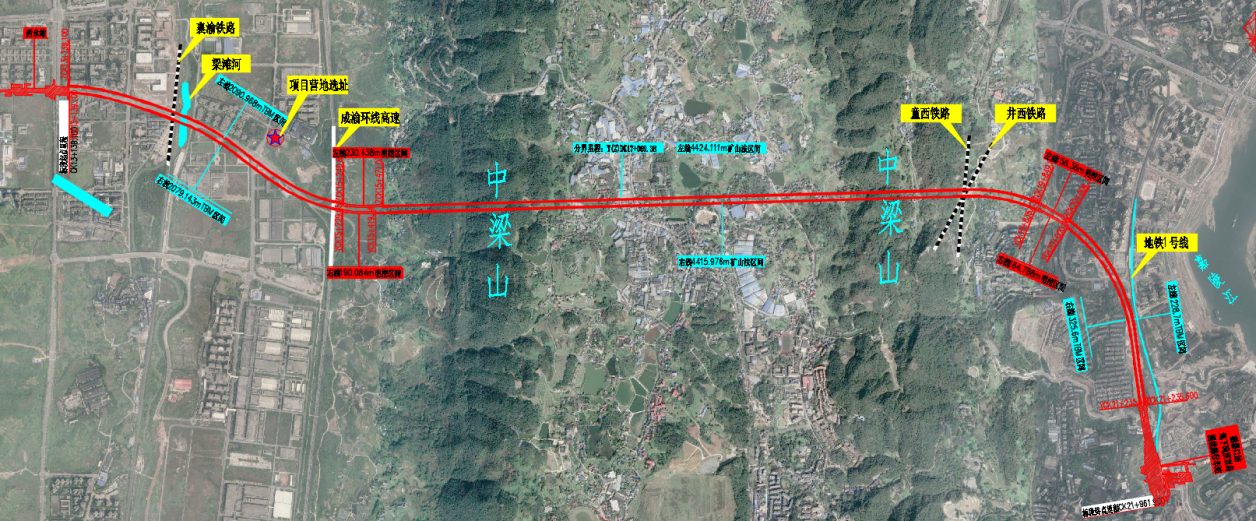
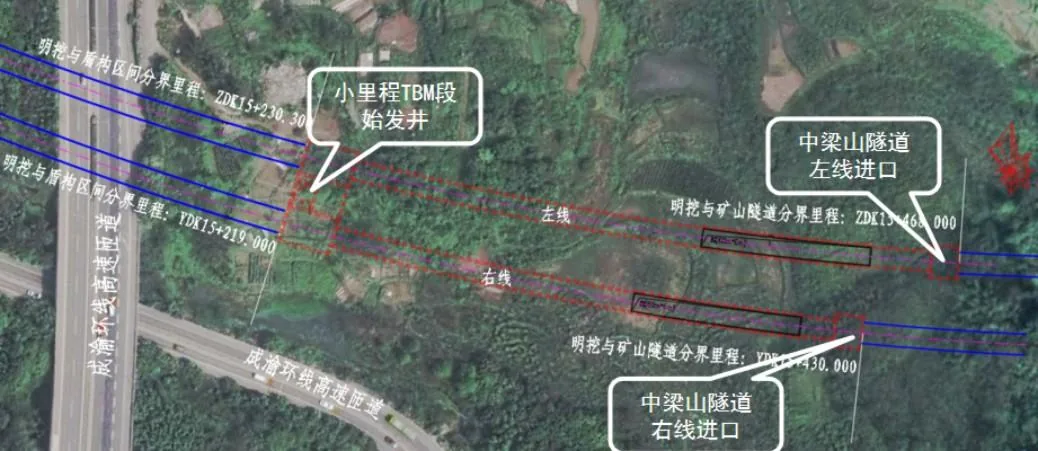
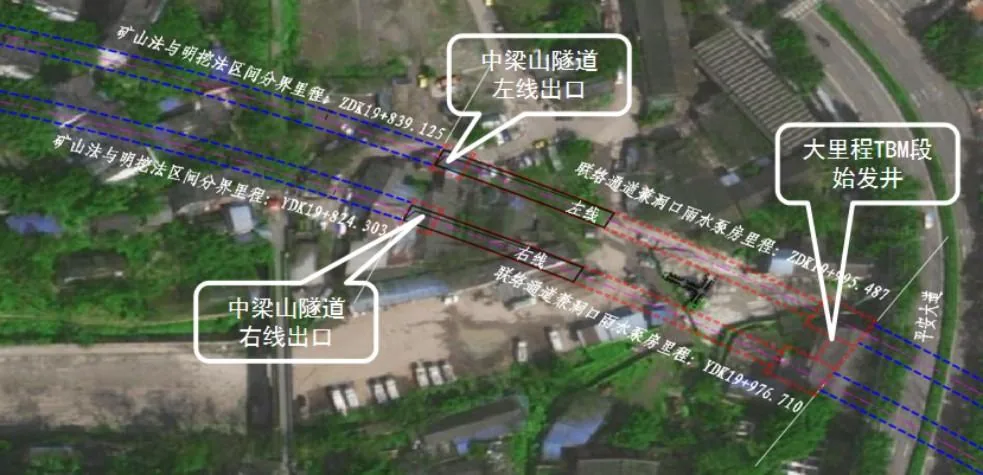
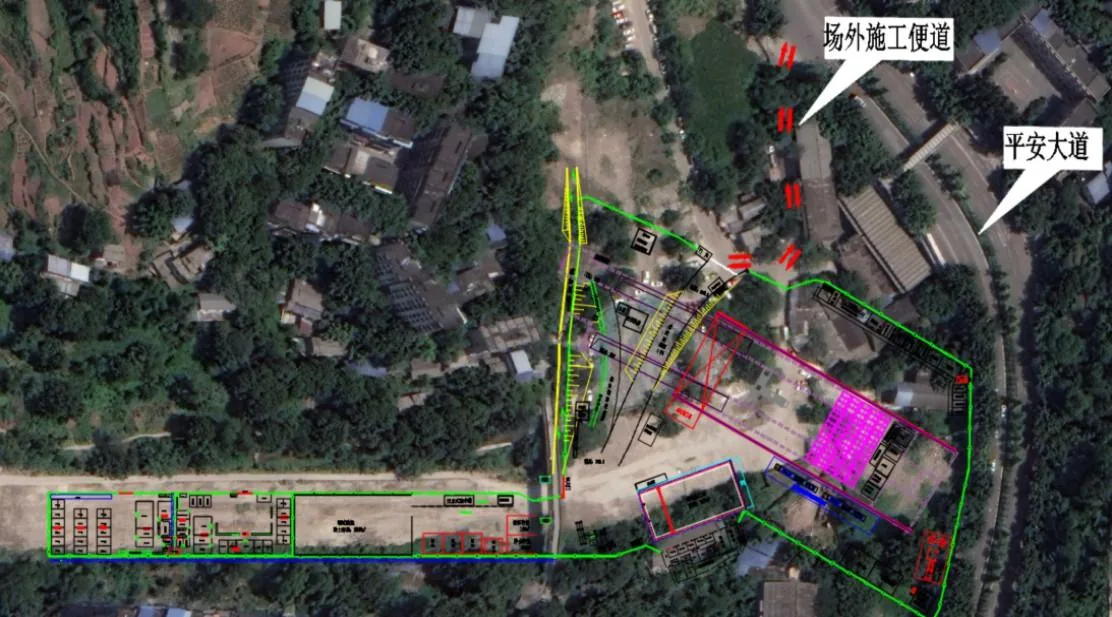
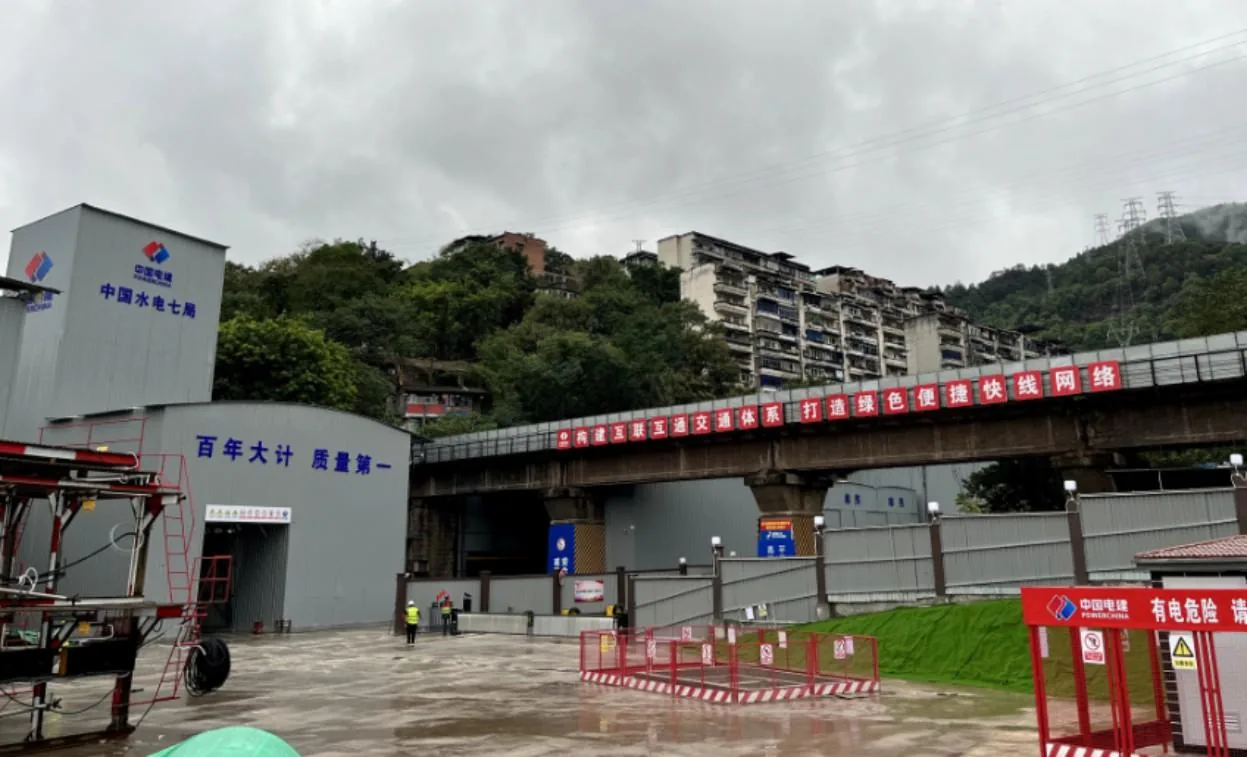
The exit of the major-mileage cut-and-cover site connects to Ping'an Avenue through an existing road about 7 m wide, giving good overall access. The surroundings are mainly residential: Masanglanya in the NW quadrant, a Chuanjin recycling shop in the NE quadrant, and the Hepingshan ring-road branch in the SW quadrant.
The tunnel passes mainly through limestone, shale, mudstone and sandstone with extremely abundant groundwater. The rock mass is rated Class III–V, comprising Class III 2012 m, Class IV 1430 m and Class V 974 m. Fault fracture zones, karst, coal-seam gas and water-rich zones are present, and many sections are overlapped by several adverse geologies. Mining a long tunnel under such complex geological conditions is therefore the key difficulty of this project.
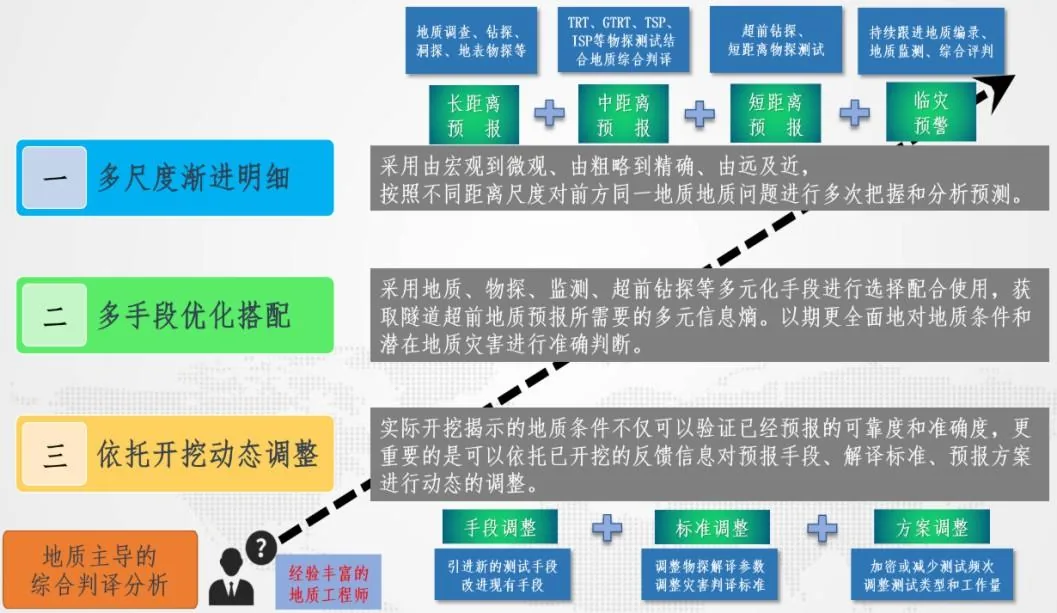
(1) Study the geological survey data thoroughly and conduct advance geological prediction: integrated methods including geological survey, advance horizontal drilling, deepened blast holes, TSP seismic reflection, ground-penetrating radar and infrared water detection.
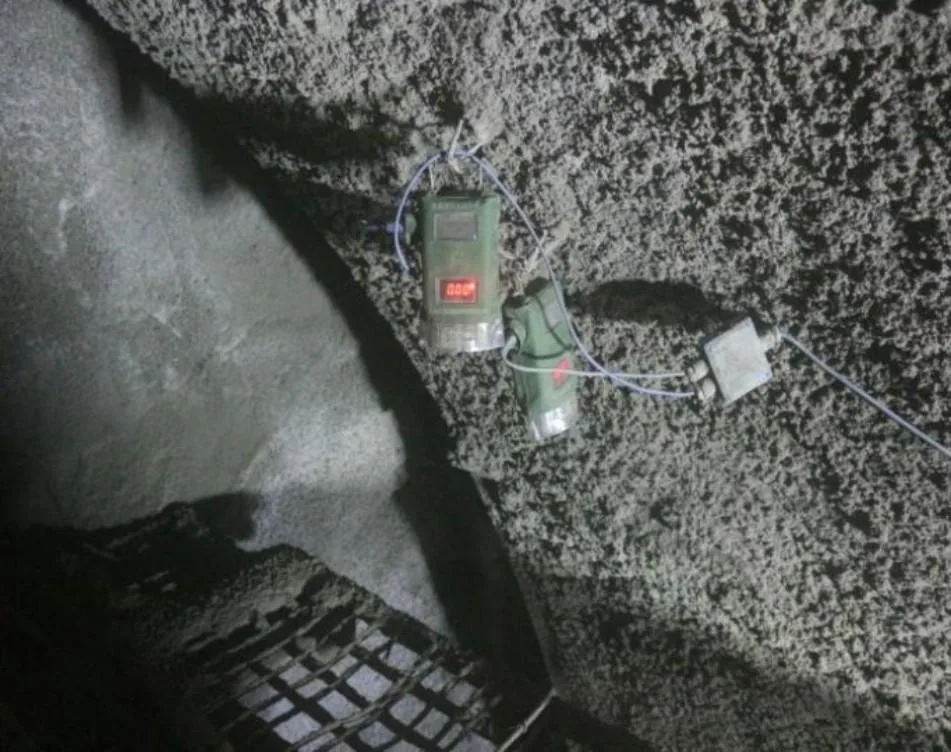
(2) Coal-seam gas strata: construction follows the principles of strong ventilation, frequent monitoring, pre-drainage and full sealing; an intelligent gas monitoring system works together with manual monitoring to control gas in the tunnel; drilling and blasting follows more holes, less charge, short rounds, quick shotcreting, strong support and frequent monitoring.
(3) Fault fracture zones: following the principle of “probing combined with grouting, probe before grouting, geophysics-led, treat while drilling”, advance prediction is carried out carefully and the advance pre-grouting or rock-mass reinforcement scheme is determined according to the hydrogeological conditions ahead.
(4) Goaf strata: advance grouting for water cut-off or drainage measures are selected according to the water volume, and the goaf is treated afterwards.
(5) Karst water/mud inrush and cavities: comprehensive measures including advance detection, grouting, structural spanning, cavity reinforcement, removal of fill, backfill compaction, sealing of surface subsidence and surface-water drainage form a grouted consolidation ring, ensuring the stability and safety of the tunnel.
Drainage follows the downward slope: ditches are set on both sides close behind the working face and an interception ditch at the portal, so water on the face flows out through the ditches. Outside the tunnel, a three-stage settling tank and sewage purification facilities treat the water to the discharge standard before it is pumped into the municipal sewer network.
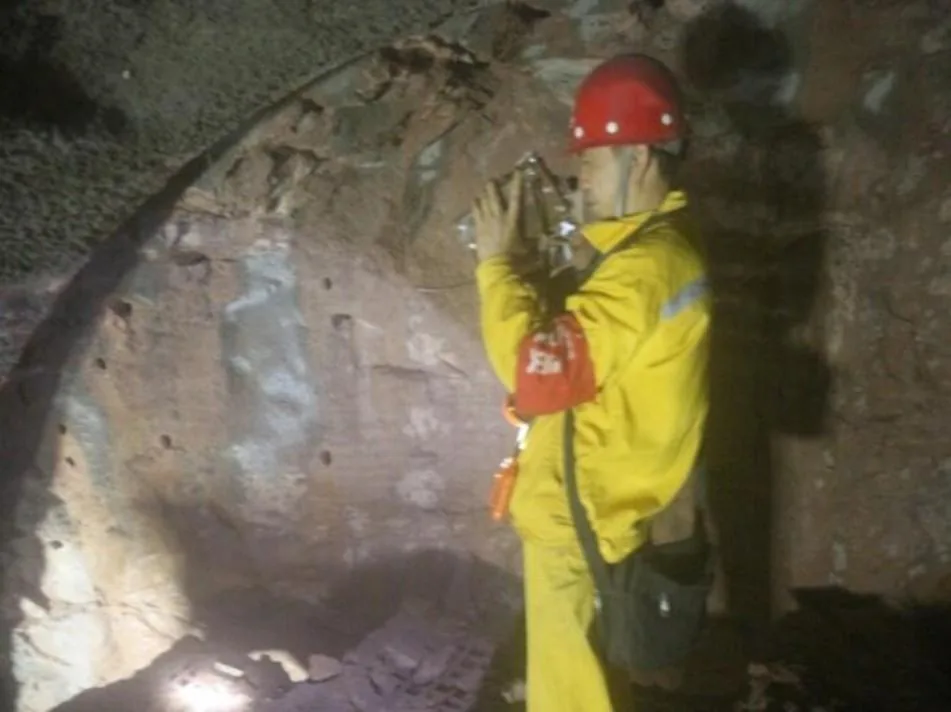
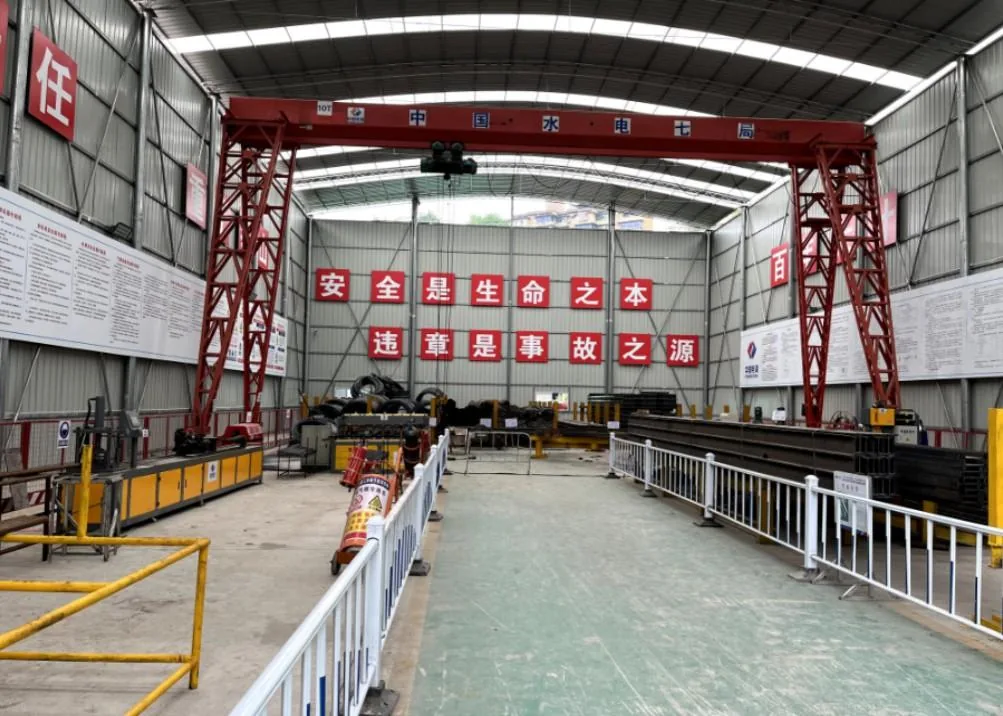
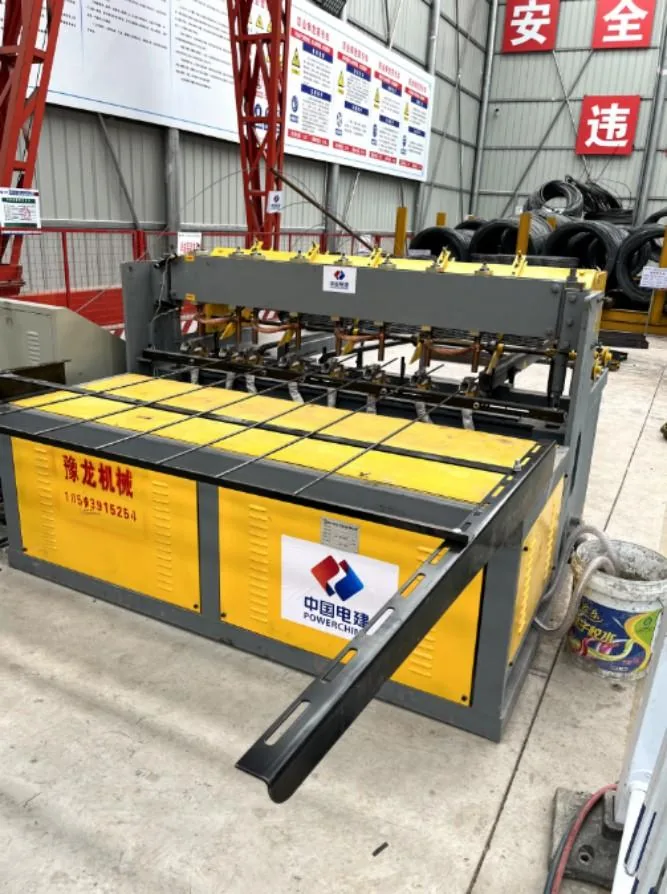
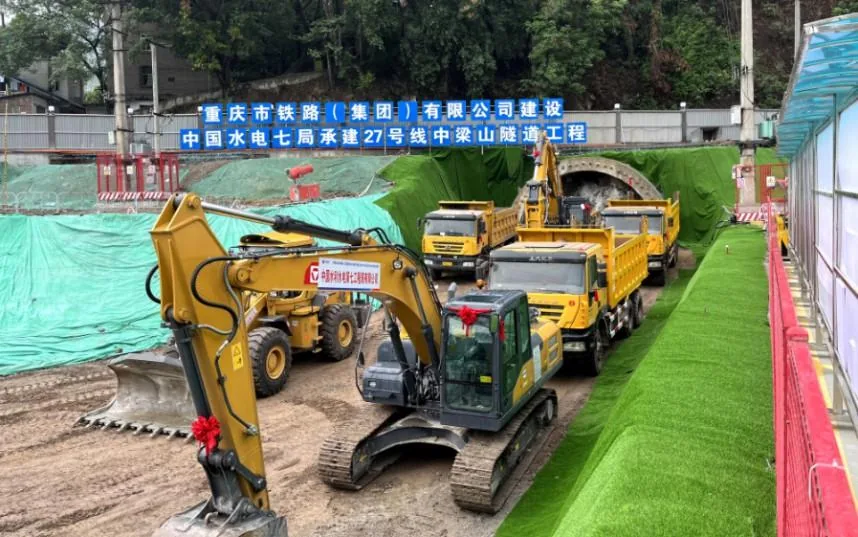
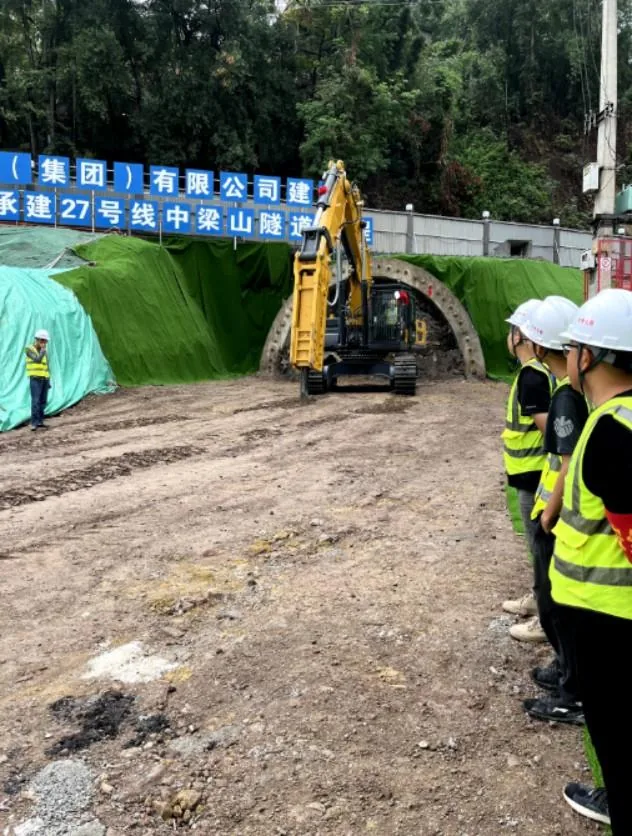
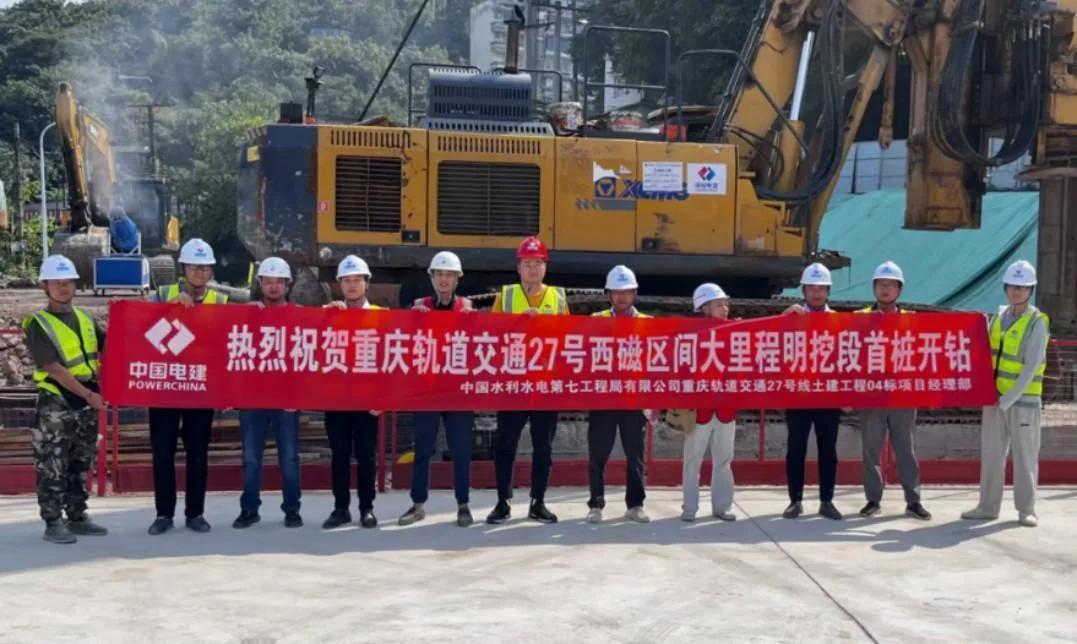
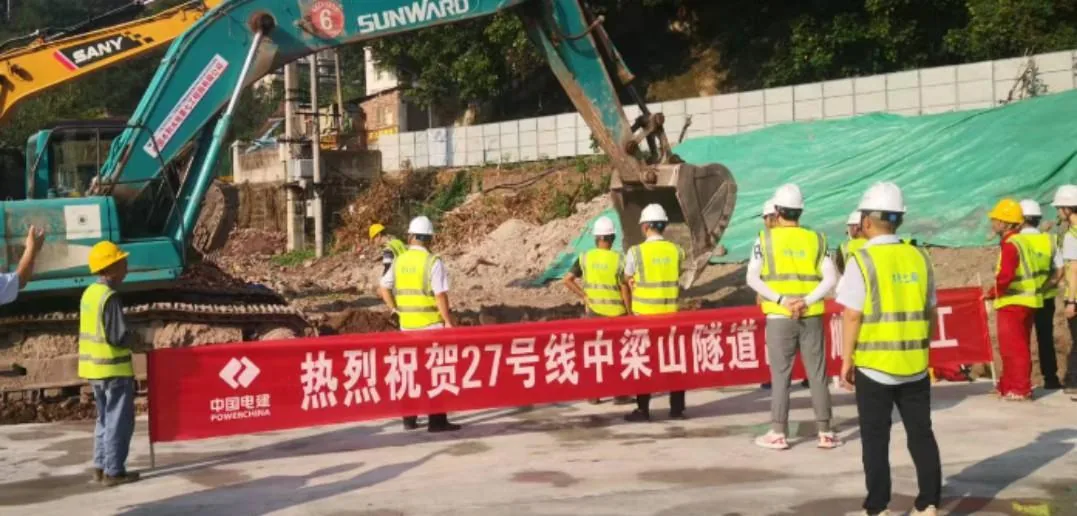
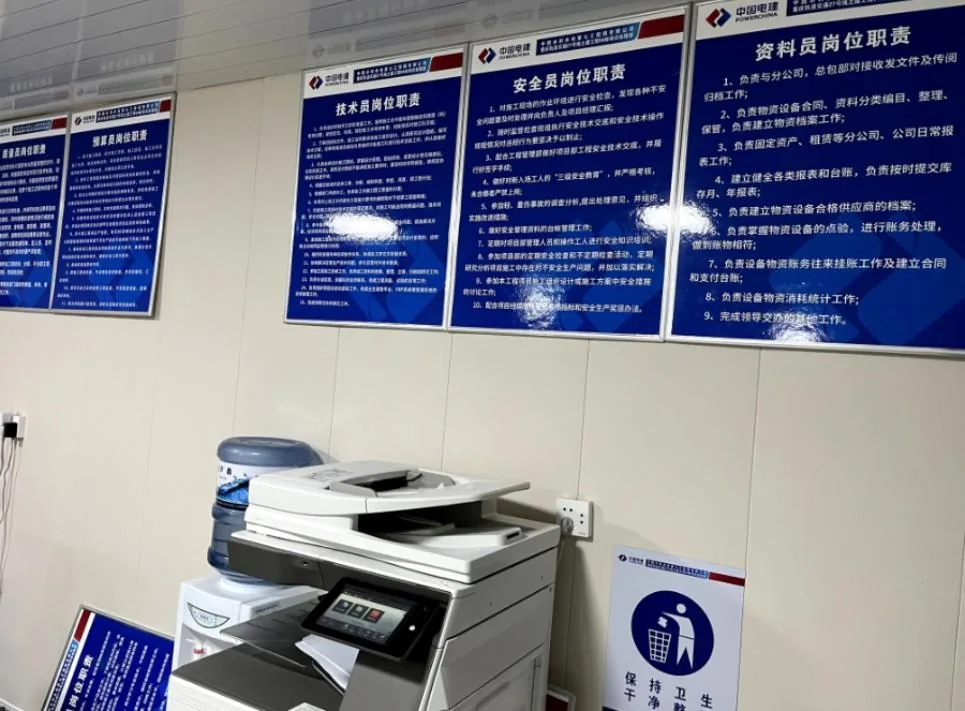
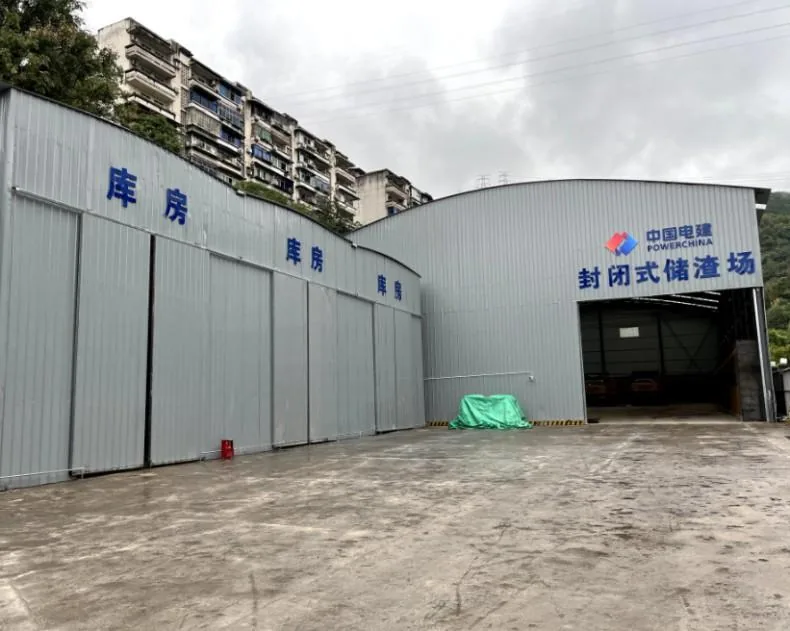
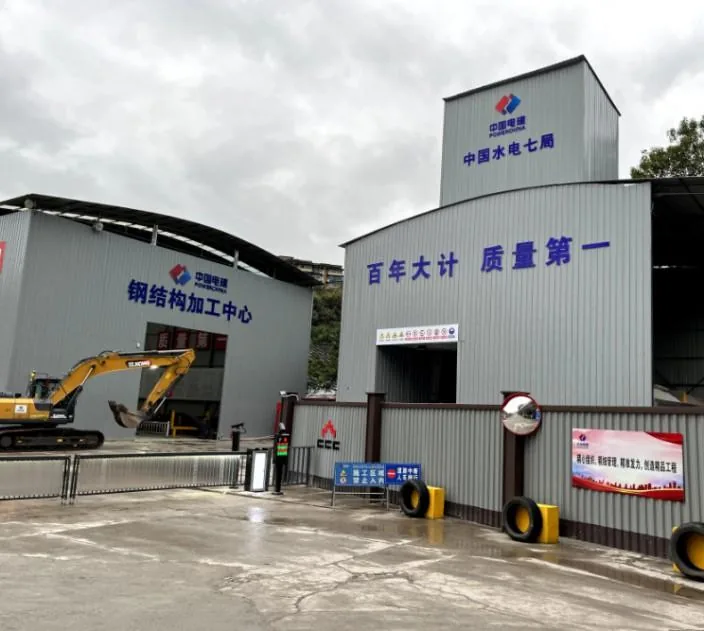
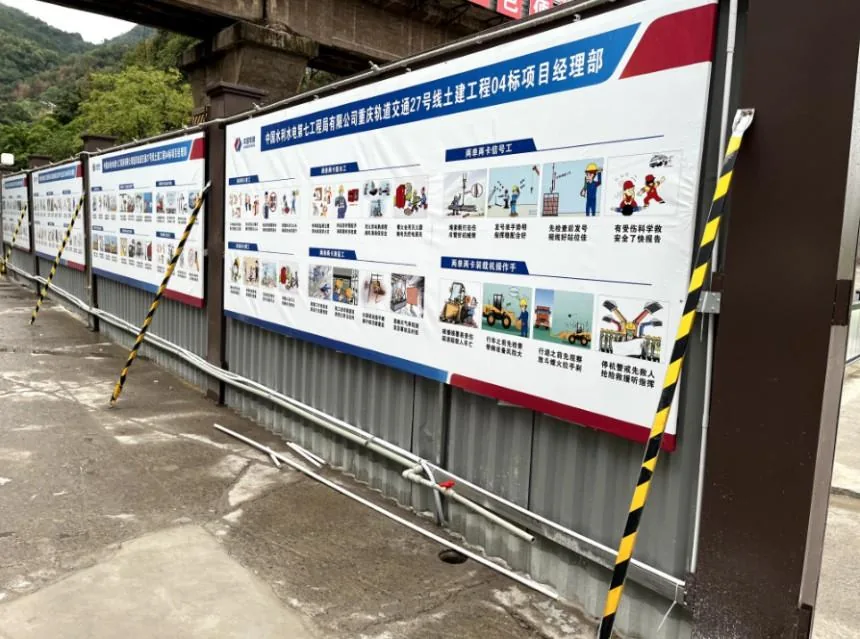
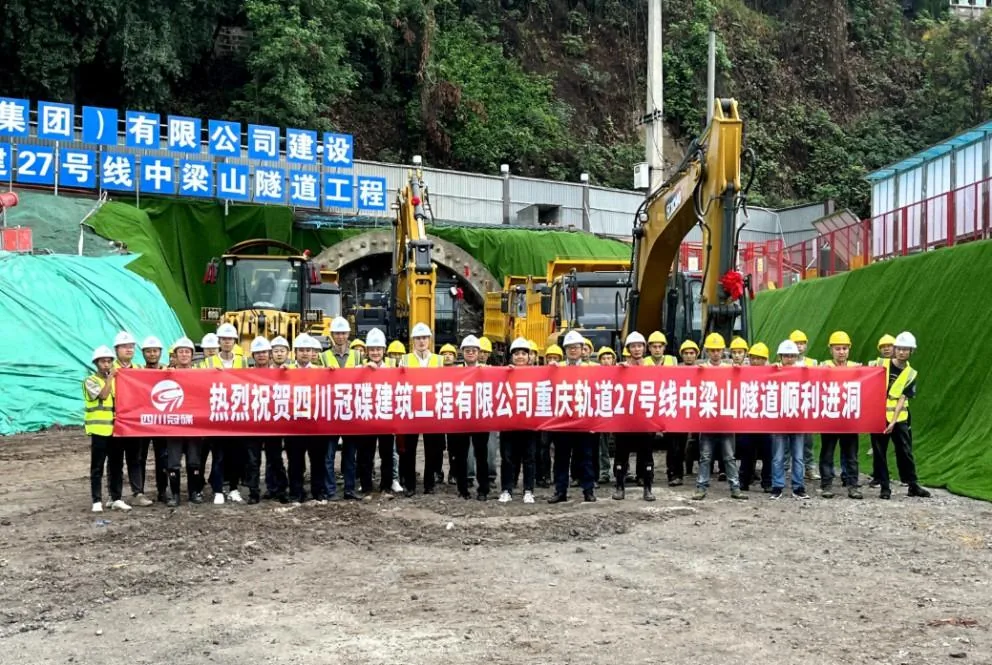
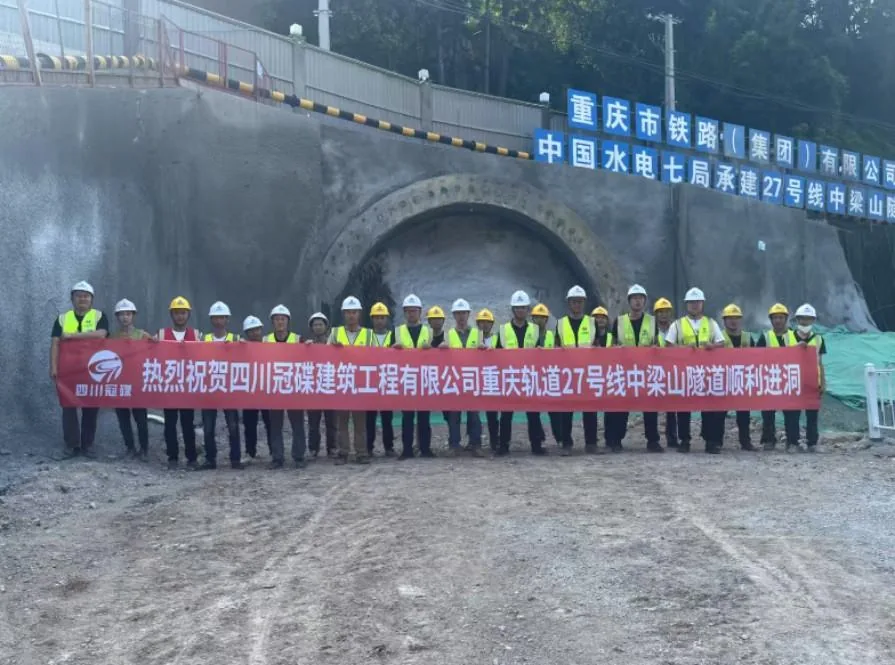
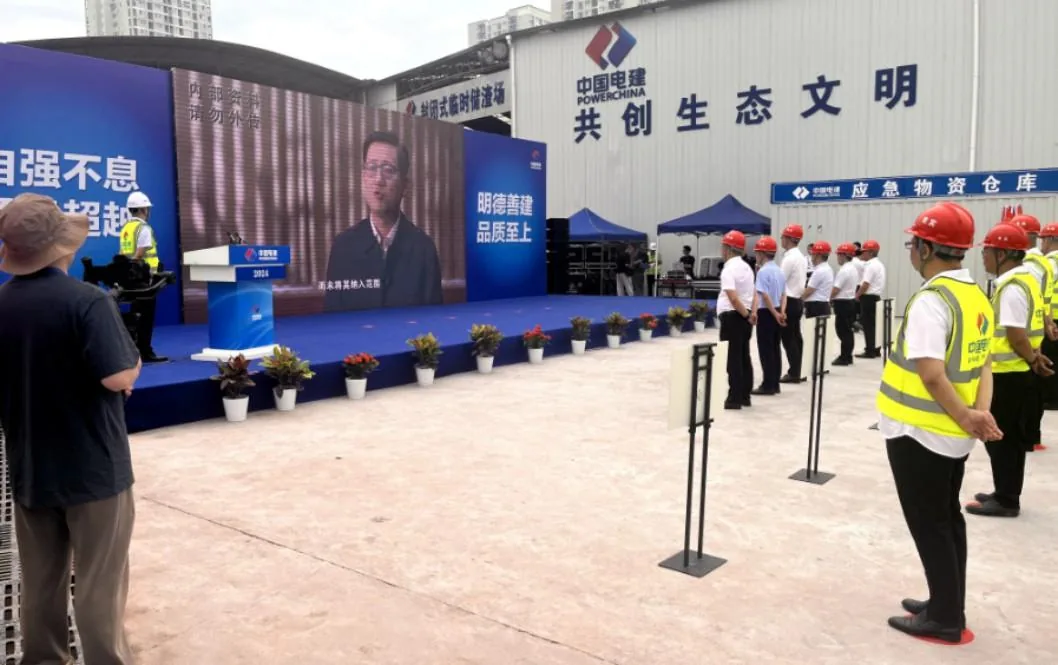
Intelligent equipment, milestone ceremonies, camp facilities and the construction site
We bring experience, teams and strength to win together on your project.